How do immersive environments benefit people with SEND needs?
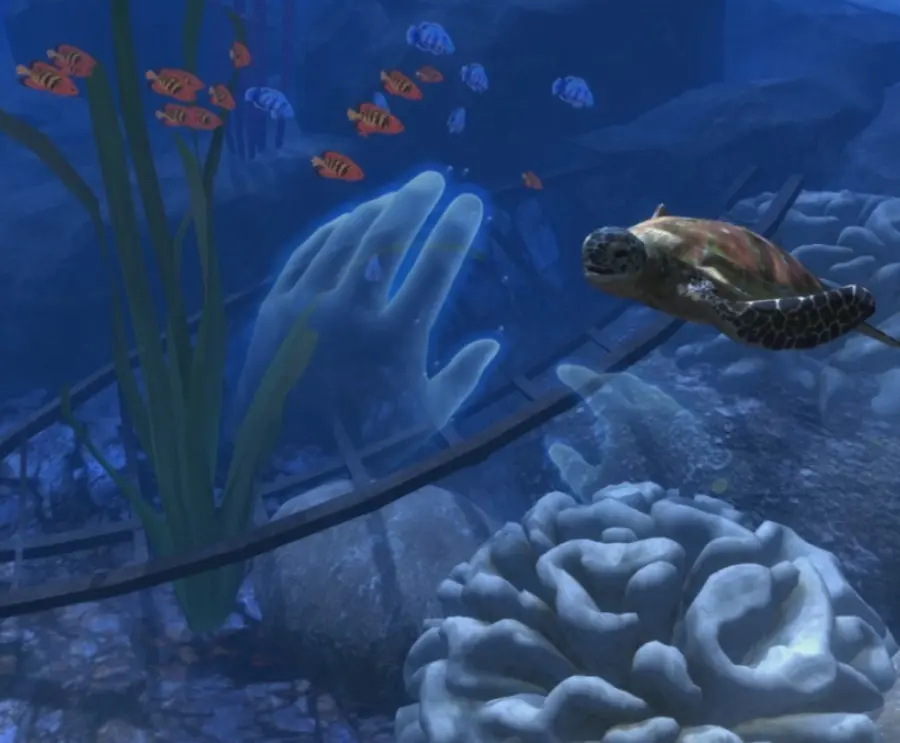
A facilitated immersive environment can provide a shared setting for exploration, communication, turn-taking and discussing choices. In Ocean Quest, staff can build these activities around marine-life and pollution tasks, with shorter turns, breaks or non-headset roles. Suitability and benefit vary by learner: staff agree individual goals and evaluate participation and understanding rather than assuming a therapeutic or learning improvement.
How could we evaluate a SEND workshop?
Agree one or two observable goals with school staff before the visit, such as communicating a choice or explaining an environmental action. Use the learner’s usual communication method, note the support provided and gather a short reflection afterwards. This is an illustrative evaluation approach, not a validated assessment or a promise of improvement.
What age groups can take part?
Ocean Quest can be planned for primary, secondary and post-16 learners. The content, session length, vocabulary and level of facilitation are adapted with the school for the age group and intended learning outcomes.
How are sessions adapted for SEND learners?
Planning can account for sensory preferences, communication needs, physical access, pacing, breaks and alternative ways to participate. We work with staff who know the learners so that reasonable adjustments are considered before delivery.
Does every learner need to use a VR headset?
No. Sessions can use rotations, small-group work, shared observation and supporting roles. A learner can take part in the wider activity without wearing a headset where that is the more appropriate route.
How is safeguarding handled?
The school retains responsibility for safeguarding and supervision. Before delivery we agree staff roles, space, hygiene, equipment handling, risk controls and any learner-specific considerations.
What curriculum topics can Ocean Quest support?
Ocean Quest can support teaching around marine ecosystems, pollution, sustainability, human impacts, citizenship, STEM, climate education and ocean literacy. The precise links are agreed against the school's objectives.